tag
animal
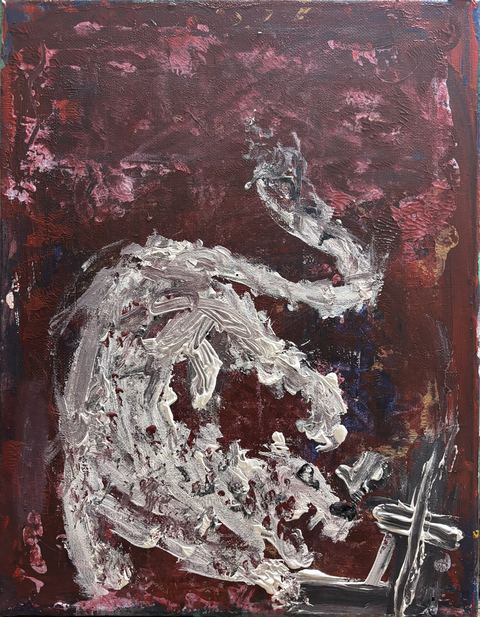
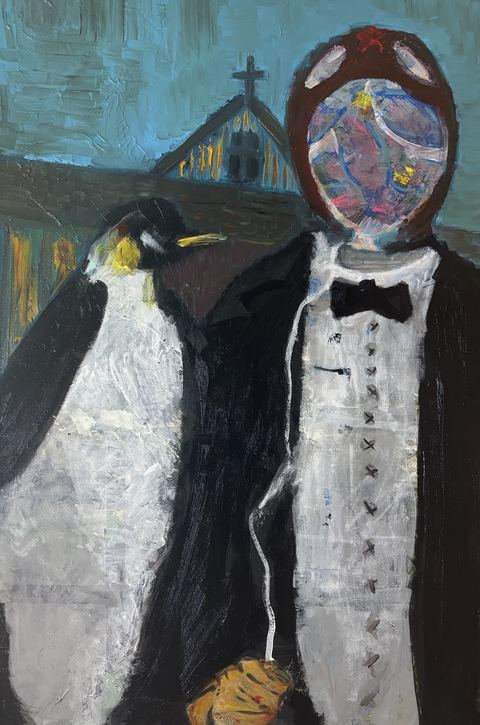
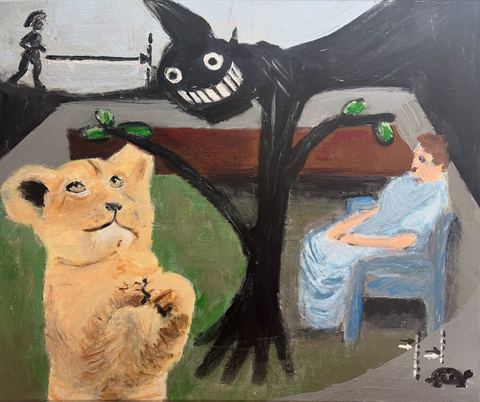
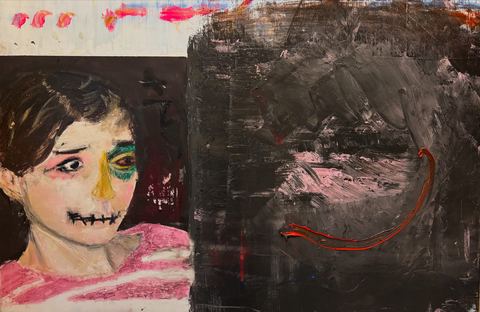
Animals carry instinct, disguise, appetite, cartoon logic, and myth pressure through the archive.
Meaning
The animal tag gathers creatures, animalized bodies, mascot forms, and images where a figure has been pushed toward instinct or symbol.
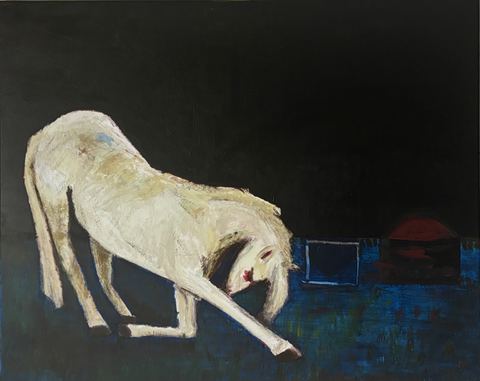
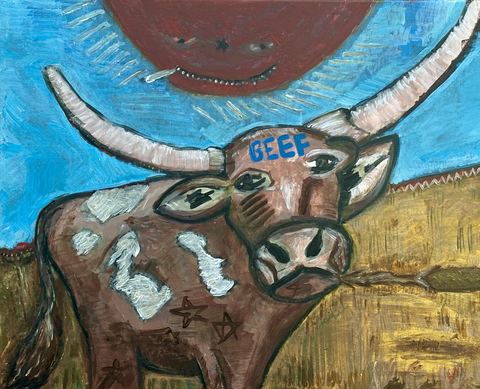
Sometimes the animal is comic, as in cartoon or toy-like source-worlds. Sometimes it is mythic, as in horses, bulls, snakes, and creatures that make the painting feel older than its reference.
Animal forms let the archive move between body and emblem. They can make a figure more innocent, more violent, more watched, or more trapped in a role.
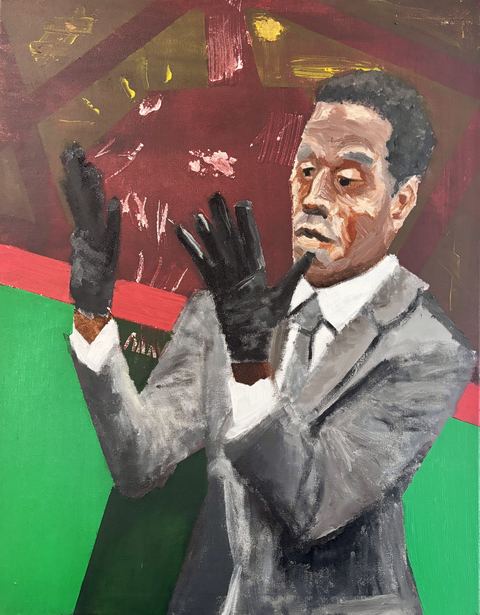
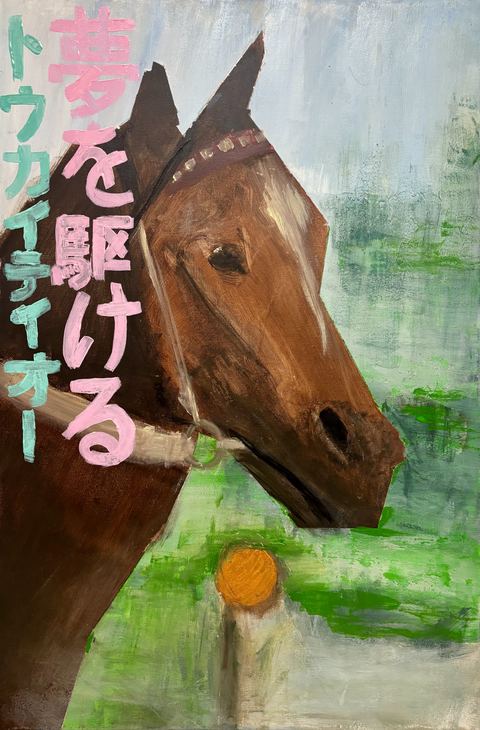
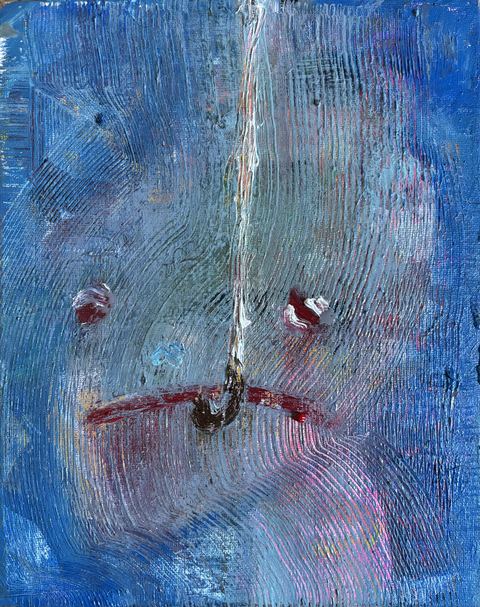
Faces (Sharkbait)
group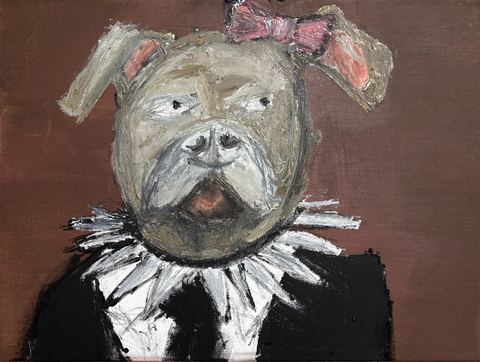
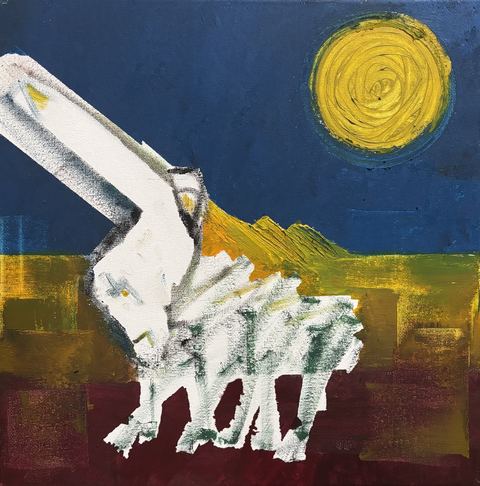
Under the Bastard Sun
B-side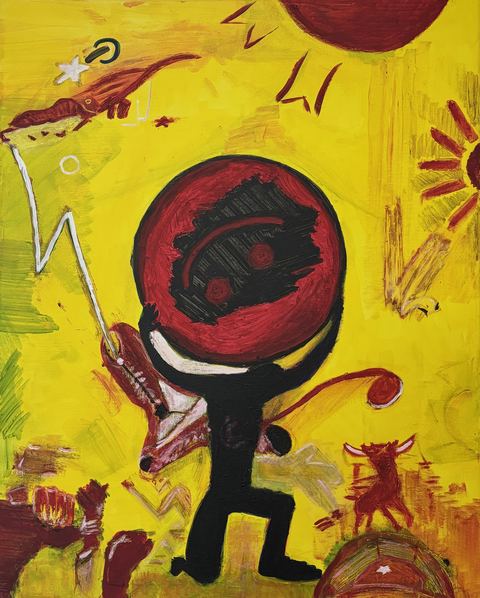
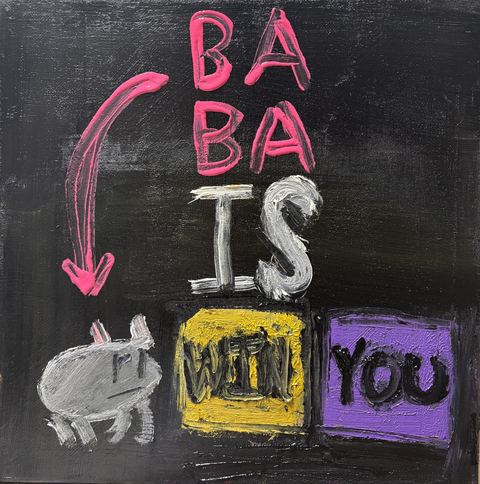
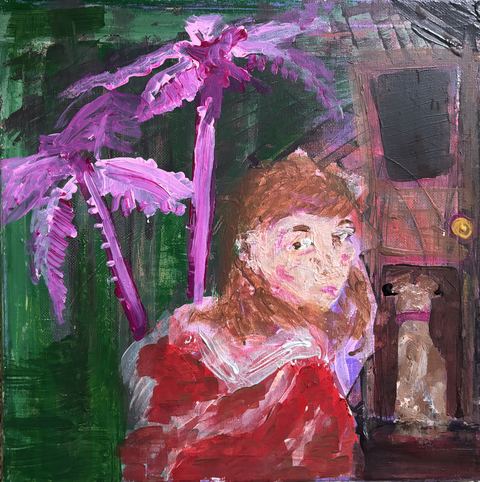
Leaving
B-side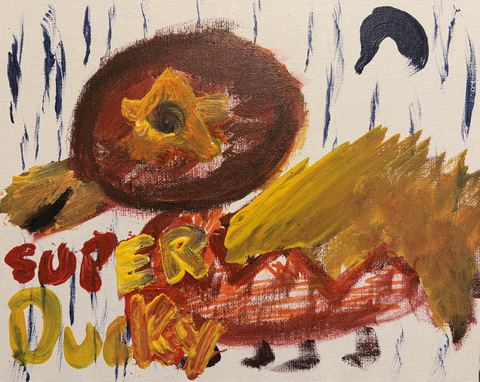
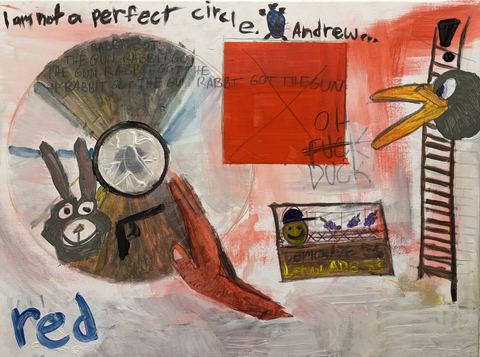
Super Ducky
B-side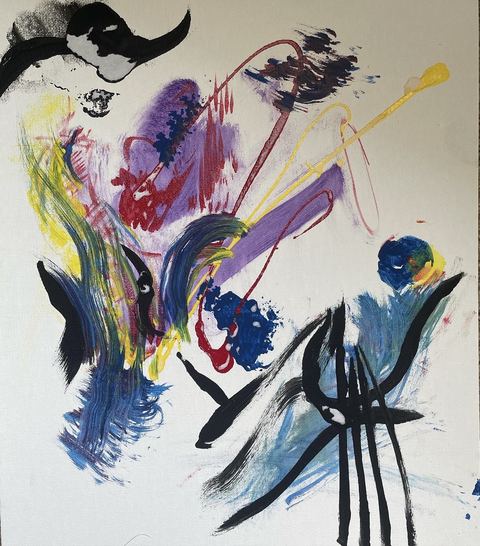
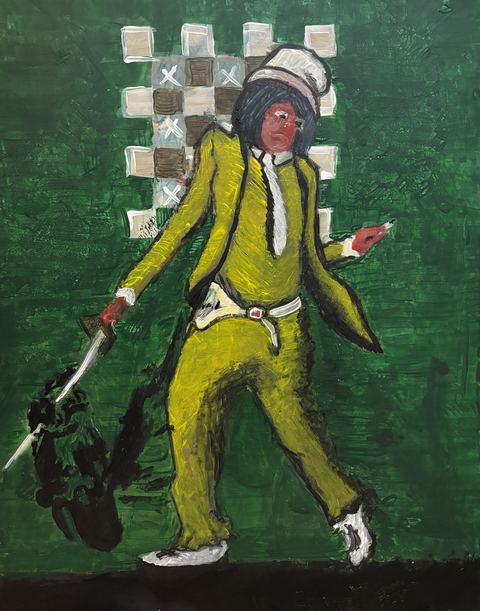
Spit and Co. (Knight)
group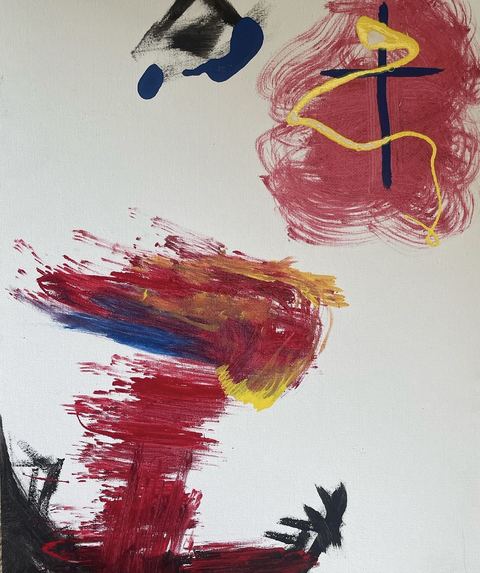
Spit and Co. (Snake)
group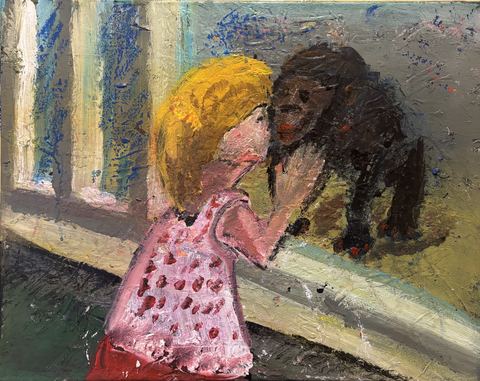
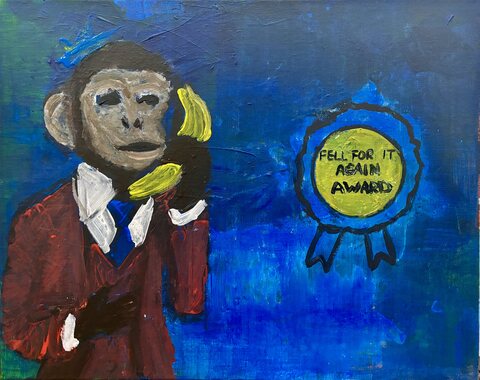
Fell For It Again
media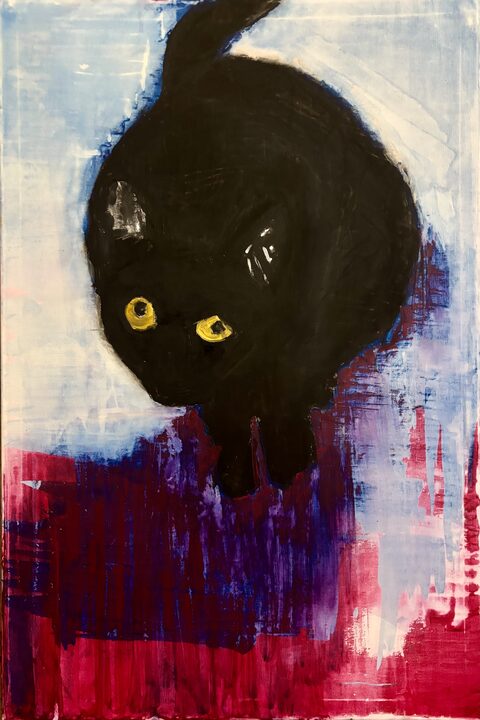
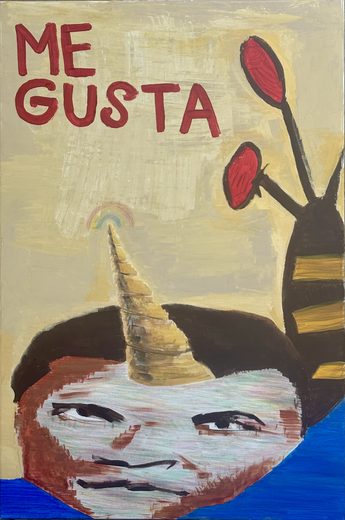
Travels With
In the World
Sources and references beyond the archive. External artworks are flagged and credited.
- Whistlejacket George Stubbs, c. 1762, National Gallery, London
The horse made monumental and almost human by empty space — animal as portrait, status, and pressure without a rider.
↳ in the archive: Pegasus, Tokai Teio, Under the Bastard Sun
- The Rhinoceros Albrecht Dürer, 1515, British Museum
An animal built from report and fantasy until the secondhand image becomes more durable than the creature.
↳ in the archive: Hypebeast, Fell For It Again, Spit and Co. (Knight)
- Yellow Cow Franz Marc, 1911, Solomon R. Guggenheim Museum
Animal color becomes temperament rather than description — the creature as bright psychic weather.
↳ in the archive: Hypebeast, Tiger Blood, Super Ducky
Open Questions
- Which animals act as companions, and which act as masks?
- When does animal imagery make a painting funnier, and when does it make it more severe?
- Are the animals witnesses, doubles, or escape routes?