tag
memory
Memory is the archive's afterimage system: ghosts, source images, old rooms, personal echoes, and images returning after they should be gone.
Meaning
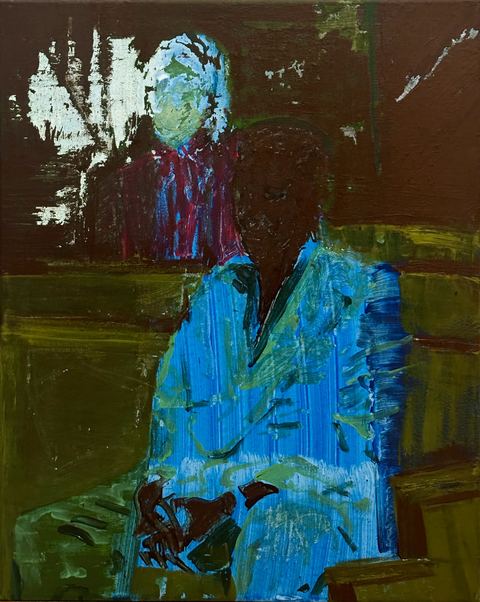
Memory appears when the painting feels haunted by an earlier image, person, song, room, or version of itself.
The archive often treats memory as material. It can show up as ghost, negative space, worn text, old media, repeated faces, or a source-world that has become emotionally heavier than its original context.
They are not only showing a current scene; they are showing the pressure of what the image has carried forward.
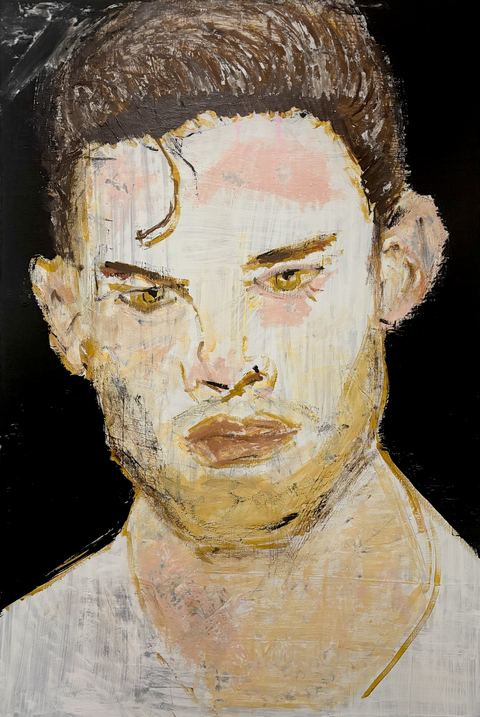
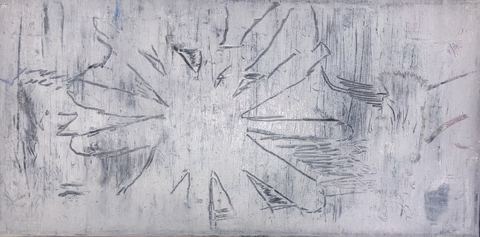
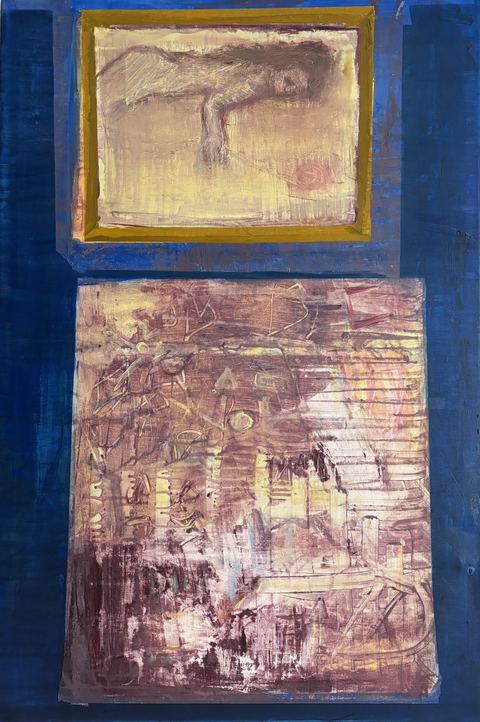
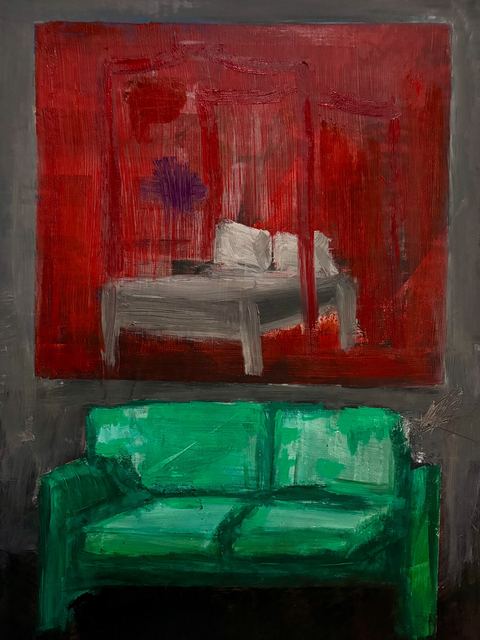
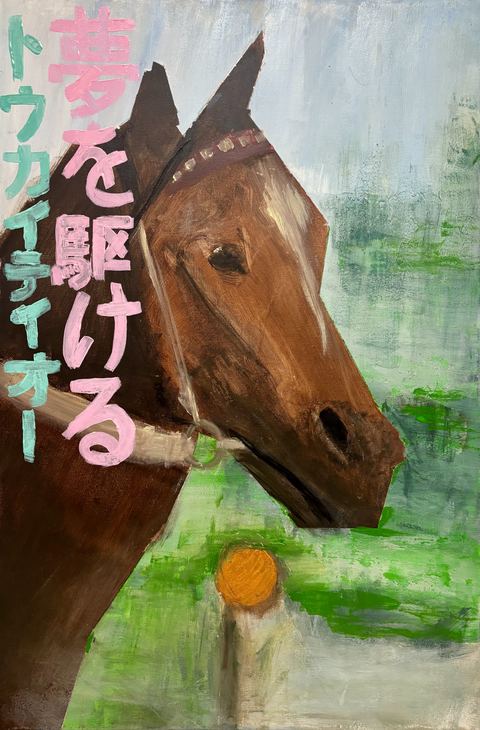
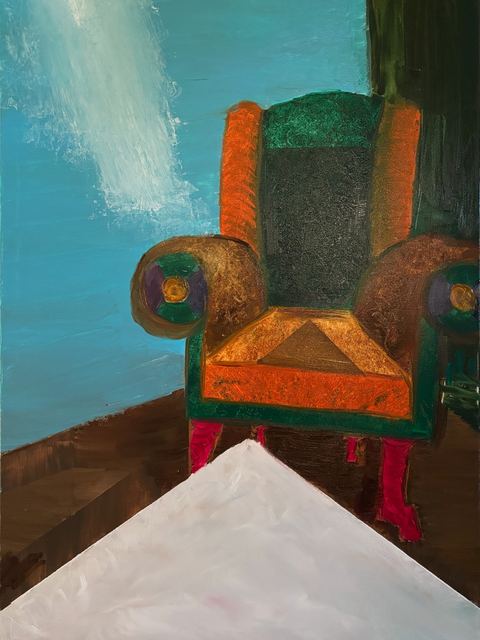
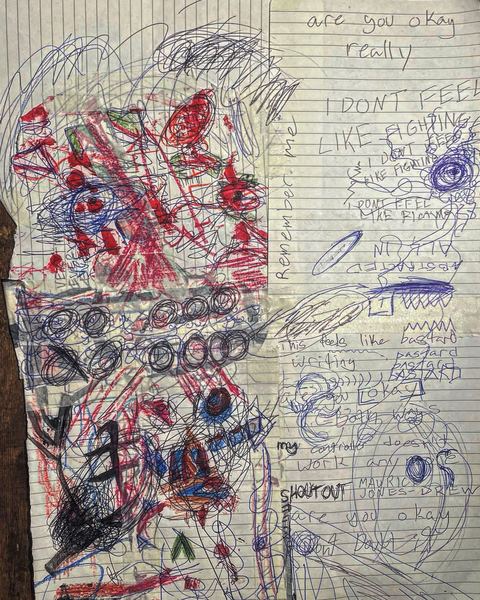
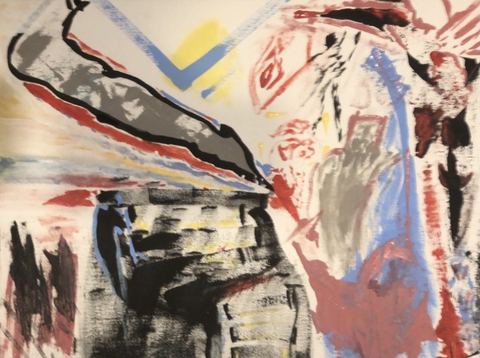
Repeat Dream
B-side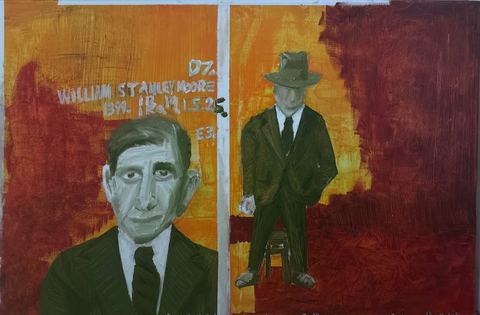
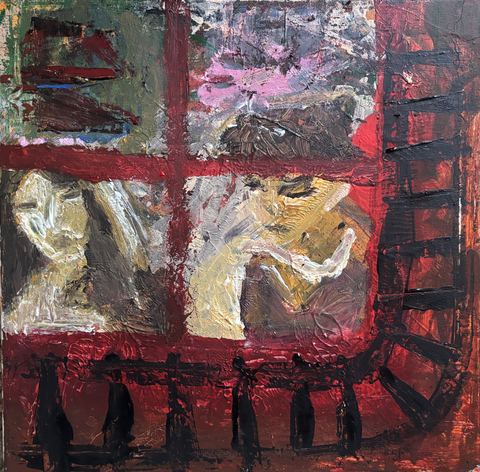
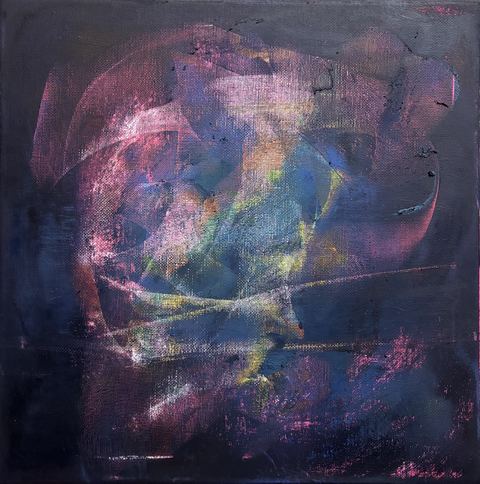
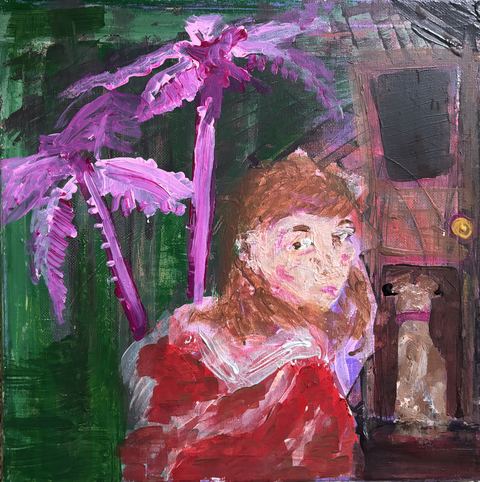
Leaving
B-side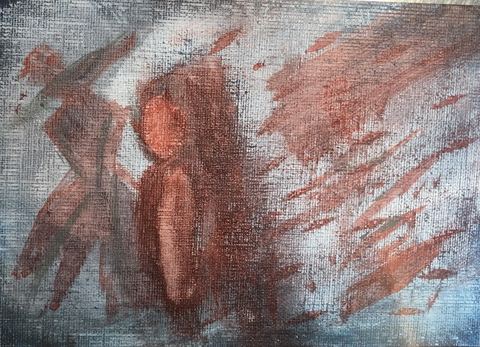
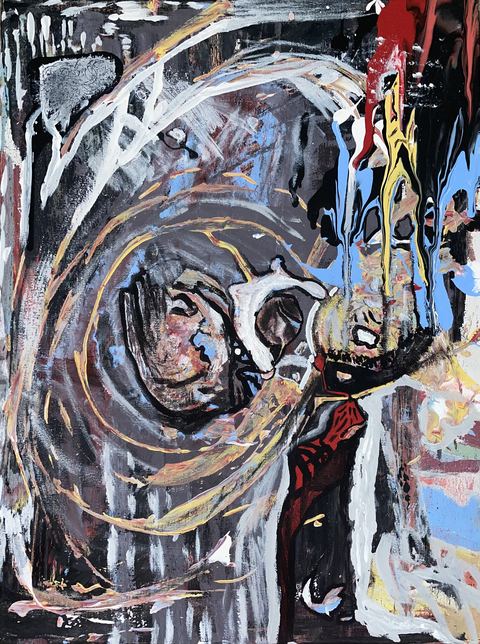
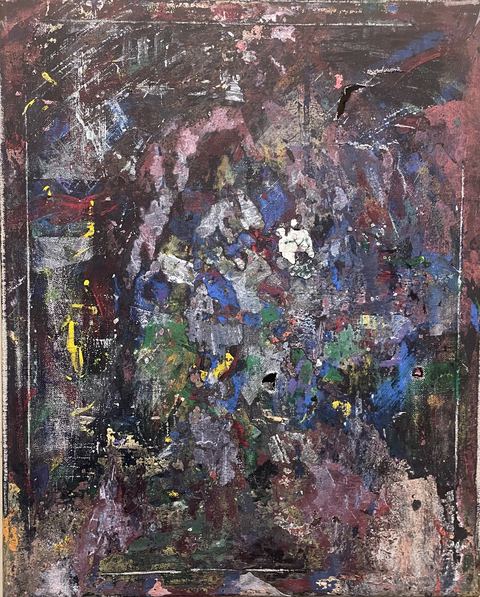
Travels With
In the World
Sources and references beyond the archive. External artworks are flagged and credited.
- Bilderatlas Mnemosyne Aby Warburg, 1927–29, The Warburg Institute
Images survive by returning in new arrangements; memory is a board of charged afterimages, not a clean archive drawer.
↳ in the archive: Goodbye Caveman, Repeat Dream, Dulcinea II
- Swann's Way Marcel Proust, 1913, Project Gutenberg edition
Involuntary memory as taste, delay, and ambush — the past returning through a small physical trigger.
↳ in the archive: Leaving, Limerence, Repeat Dream
- Study for Untitled (Penny Arcade Portrait of Lauren Bacall) Joseph Cornell papers, Archives of American Art
Celebrity, clipping, box, and model: memory held as assembled source-world debris.
↳ in the archive: Barnes and Noble, Beautiful People, Inheritance
Open Questions
- Which works remember a person, and which remember an image?
- When does memory become ghost?
- Does repetition clarify memory or distort it?