force
The Witness
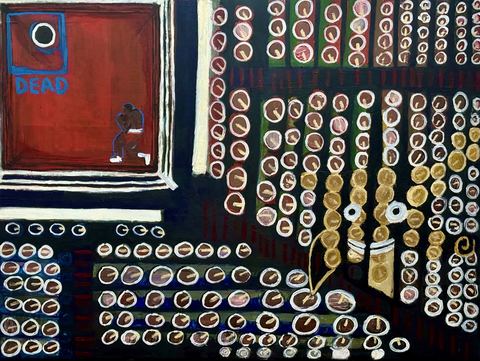
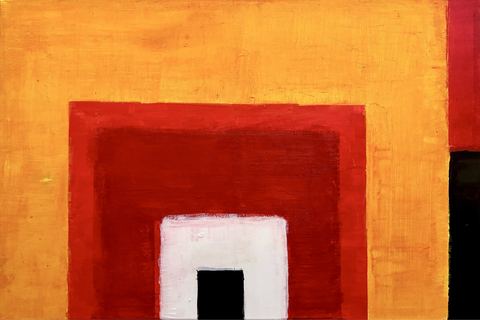
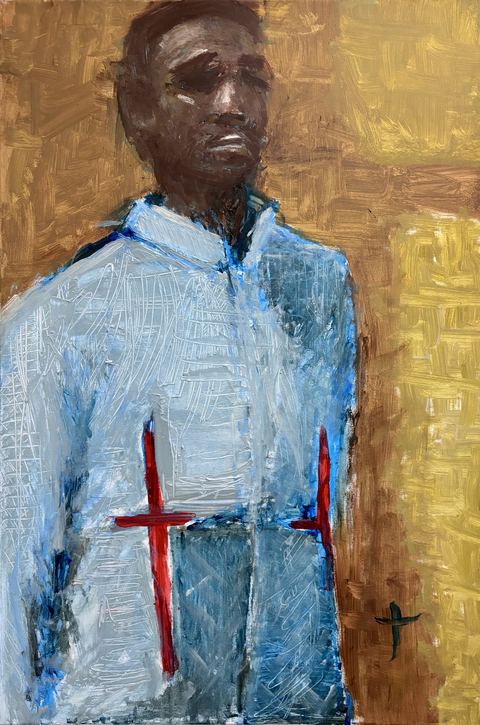
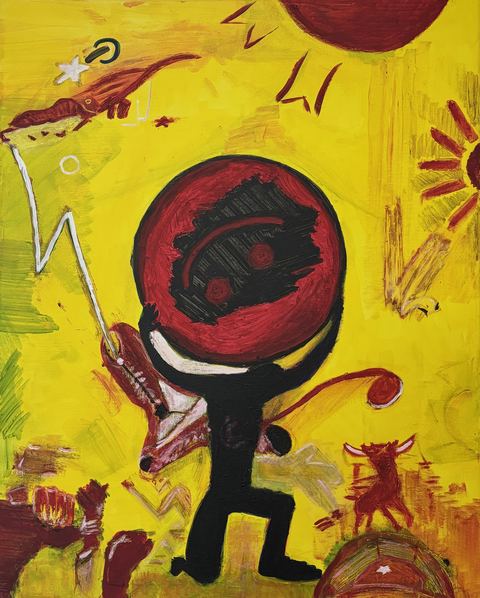
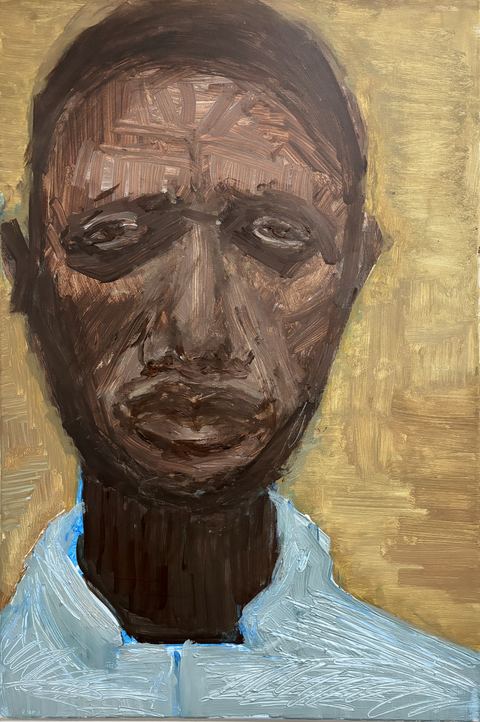
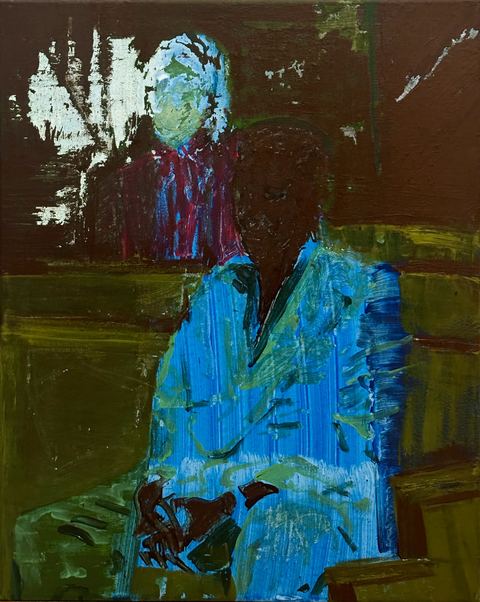
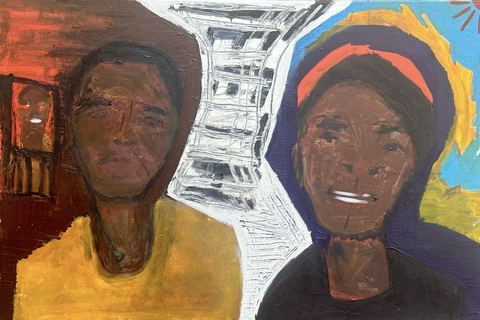
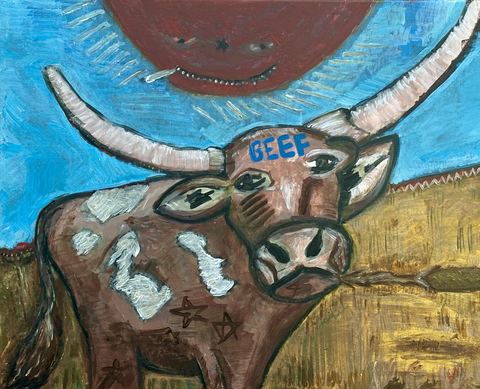
The Witness is whatever looks: sun, eye, crowd, camera, God, audience, painting, viewer. Looking is not passive here. Looking applies pressure.
Meaning
The sun looks. The eye looks. The crowd looks. The camera looks. In these works, witness is not passive documentation. It is a force that changes the body being seen.
A witness can be holy, hostile, comic, bureaucratic, erotic, or stupid. It can be God, a crowd, a phone camera, a museum visitor, a red shape in the corner, or a painted eye that has no business being alive. The point is not who owns the gaze. The point is that being seen becomes an event.
The witness often replaces direct contact. The body cannot be touched, so it is watched. The glove cannot come off, so the room watches the glove. The red sun cannot speak, so it burns. The painting becomes a little court where the evidence is color, pose, caption, and face.
This is why witness sits near martyrdom and near comedy. The martyr needs witnesses or the sacrifice disappears. The joke needs witnesses or the fall is just a fall. The archive keeps these two facts uncomfortably close.
archive links
Works
Paintings currently attached to this entry.
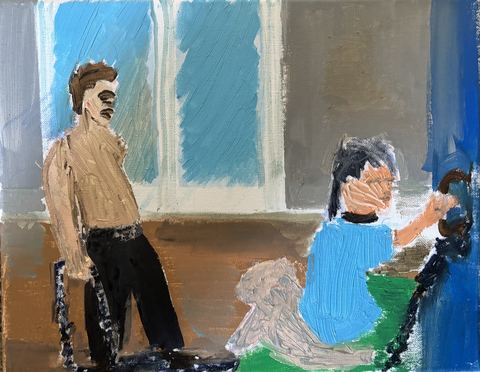
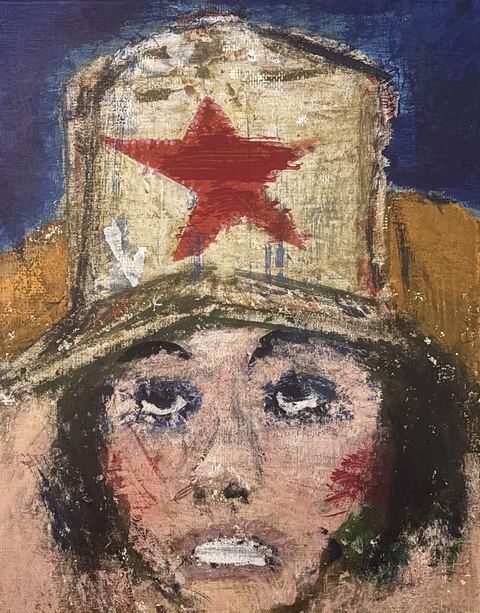
Travels With
In the World
Sources and references beyond the archive. External artworks are flagged and credited.
- The 3rd of May 1808 in Madrid Francisco Goya, 1814, Museo del Prado
The firing squad faces away; we are given the watched, not the watchers. Execution arranged as public sight.
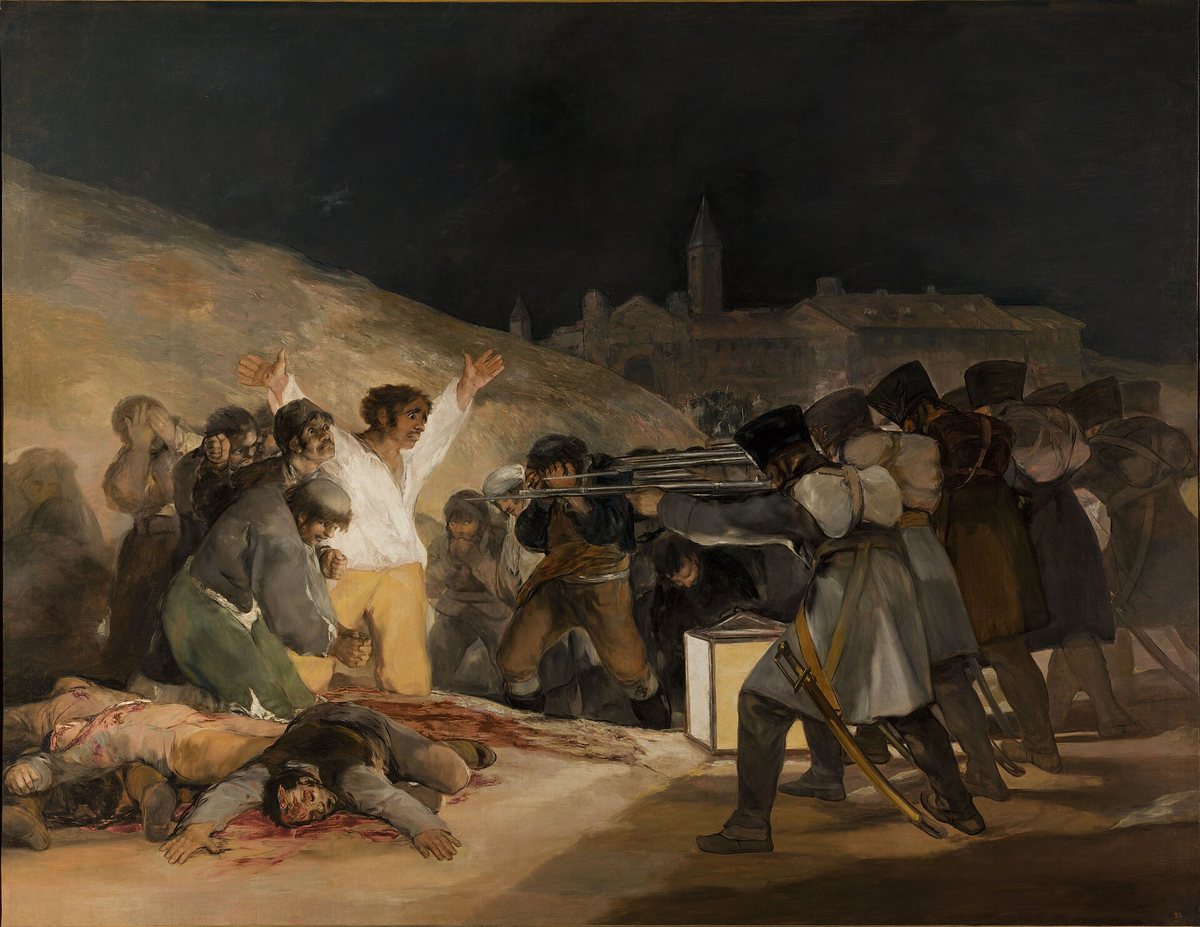
external source The 3rd of May 1808 in Madrid — Francisco Goya, 1814, Museo del Prado ↳ in the archive: Sunburn at the Garden, Sophisticated Ignorance
- The Panopticon Jeremy Bentham / Willey Reveley, 1791
Architecture that looks. Being seeable is the discipline; the tower never has to prove anyone is inside.
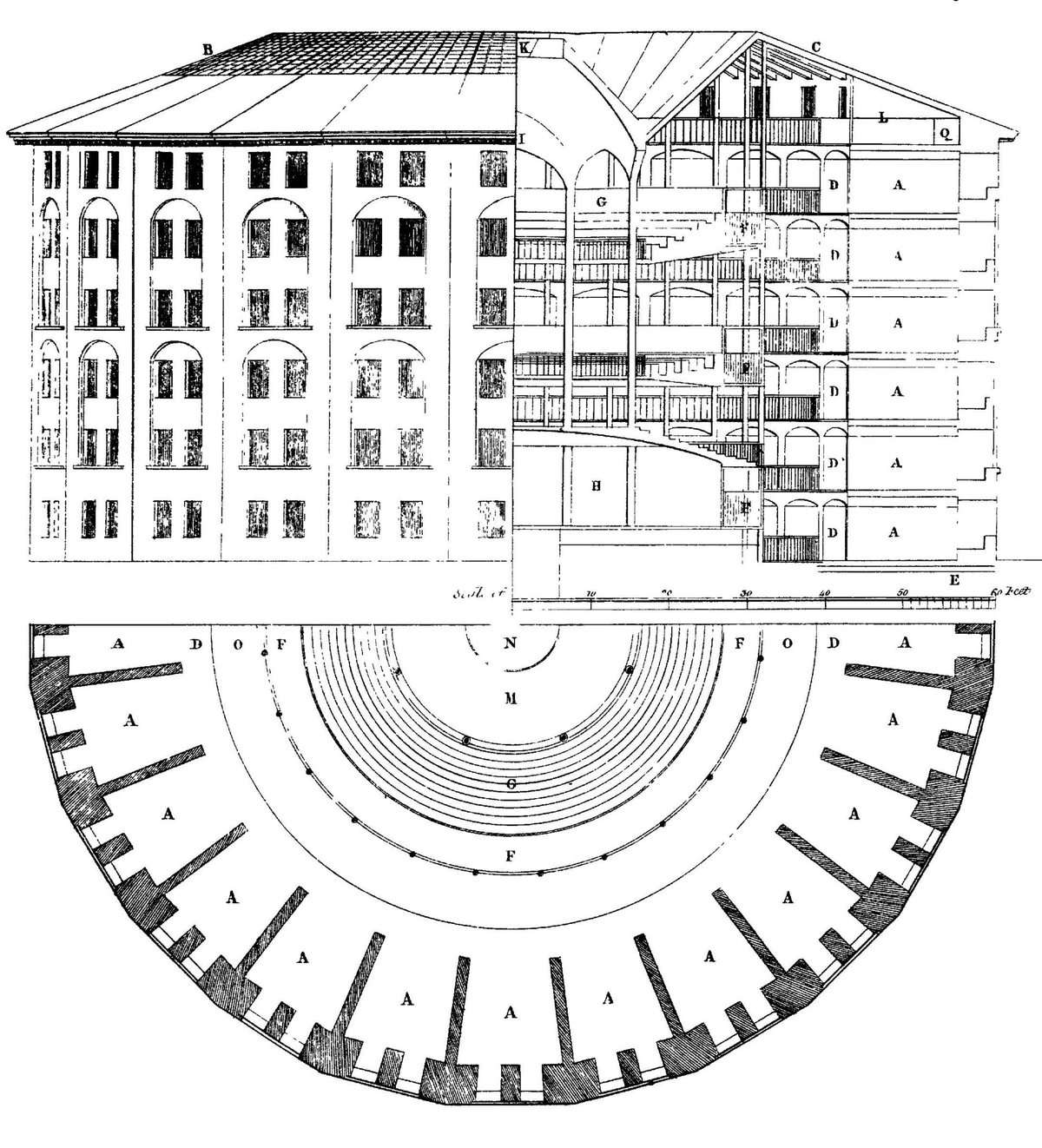
external source The Panopticon — Jeremy Bentham / Willey Reveley, 1791 ↳ in the archive: Zoo Pals, Ricky No Neck
- Eye of Providence emblematic tradition
God rendered as pure looking — the eye without a body, set above everything.
↳ in the archive: Sunburn at the Garden
Open Questions
- Is the red sun a judge, an audience, or the painting learning how to look back?
- Can there be contact without witness, or does witness create the possibility of contact?
- When does a witness become an accomplice?