scripture source
Ecclesiastes: Under the Sun
Ecclesiastes gives the archive its solar pressure phrase: under the sun as exposure, repetition, toil, oppression, vanity, and the strange mercy of ordinary joy.
Meaning
Ecclesiastes uses 'under the sun' like a stage direction for human life. It means the world as seen from below: work, repetition, injustice, chance, fatigue, heat, pleasure, grief, and nothing staying solved for long.
In the archive, the sun is often a witness. Ecclesiastes makes that witness older and colder. The sun rises, sets, returns, and keeps looking. The body under it works, loses, competes, gets exposed, and tries to name the pressure.
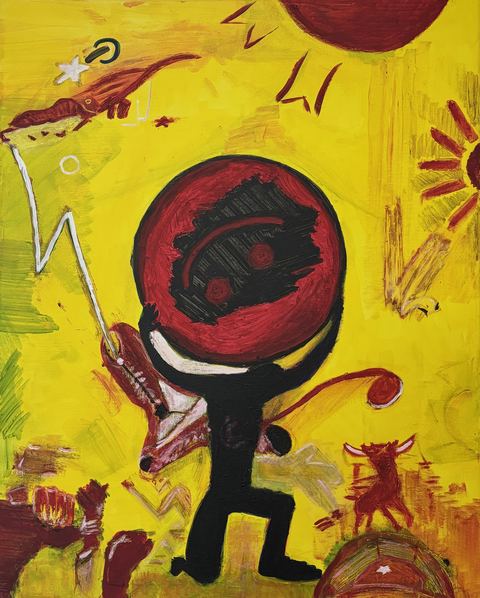
This source-world gives The Sun exhibition a better floor. Break Point, Hypebeast, Under the Sun, Sunburn, and the table-tennis works are not only solar images. They are bodies placed beneath a repeating order that does not explain itself.
The useful thing is that Ecclesiastes is not only despair. It also protects a small stubborn joy: eat, drink, be merry, enjoy the labor you can actually touch. That matters here because contact, not victory, is often the miracle.
archive links
Works
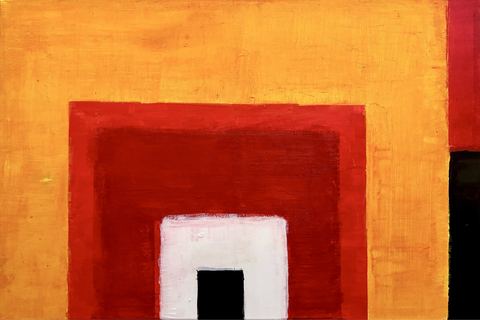
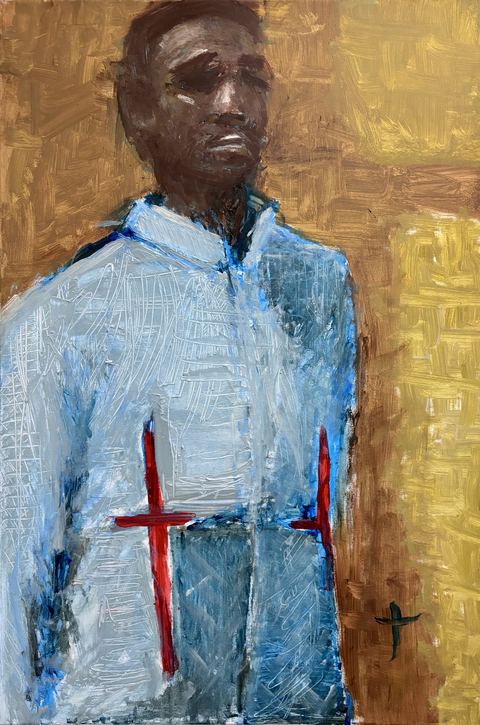
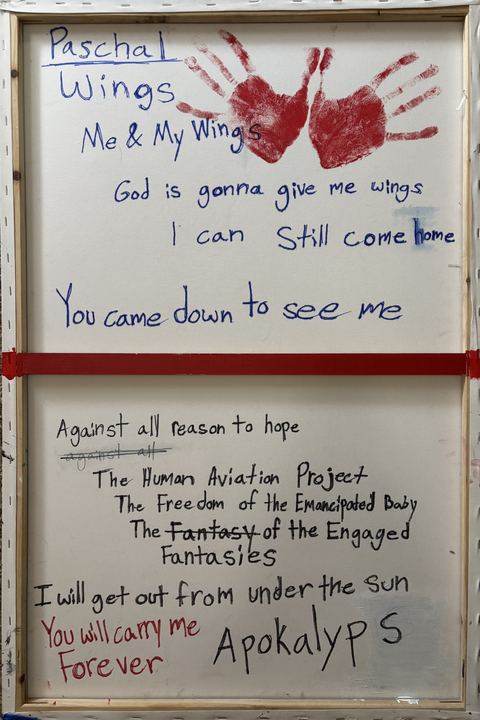
Paintings currently attached to this entry.
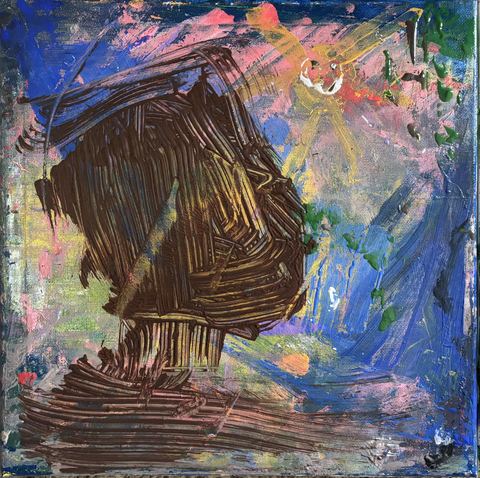
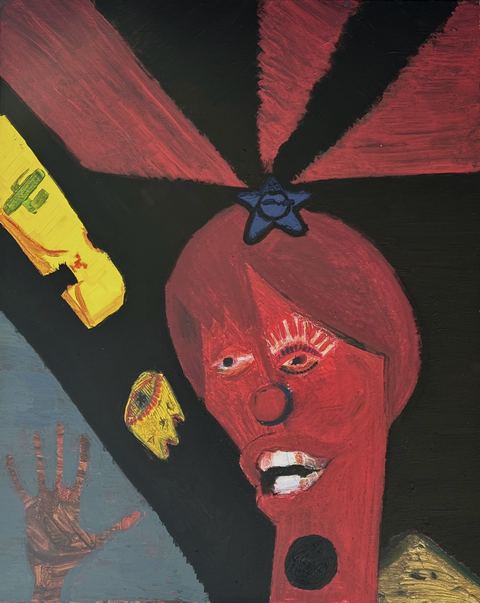
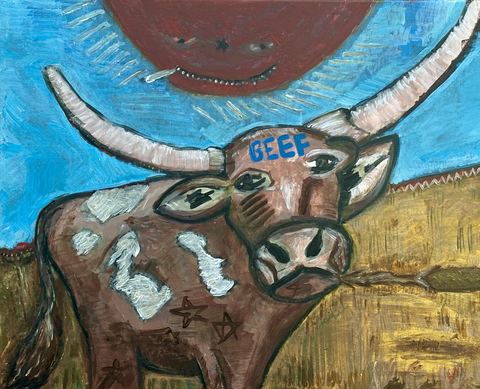
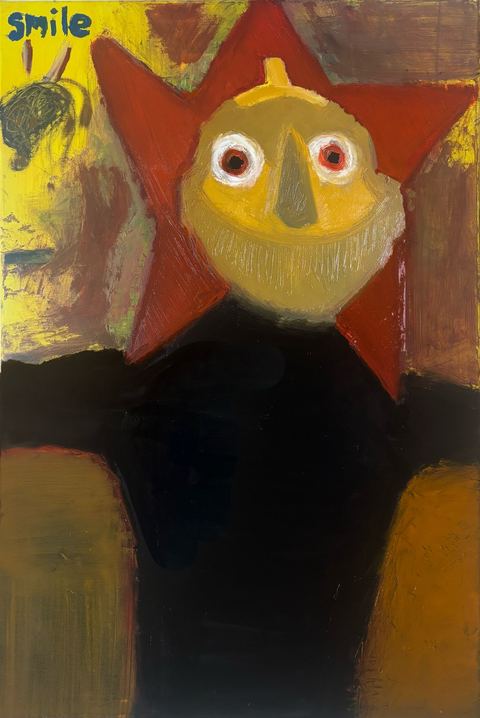
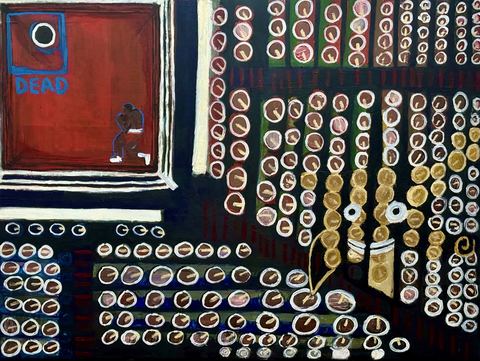
Travels With
In the World
Sources and references beyond the archive. External artworks are flagged and credited.
- Ecclesiastes 1:3-9 (KJV) King James Version - BibleGateway
Profit, labor, sunrise, sunset, repetition: 'there is no new thing under the sun.'
- Ecclesiastes 1:14 (KJV) King James Version - BibleGateway
The works done under the sun become vanity and vexation of spirit.
- Ecclesiastes 4:1 (KJV) King James Version - BibleGateway
Oppression under the sun: tears, power, and no comforter.
- Ecclesiastes 9:11 (KJV) King James Version - BibleGateway
The race is not to the swift, nor the battle to the strong; time and chance happen to all.
- Ecclesiastes 8:15 (KJV) King James Version - BibleGateway
The counterweight: eat, drink, be merry, and let joy abide with labor under the sun.
Open Questions
- Is the red sun in the paintings a witness, a judge, or Ecclesiastes' indifferent ceiling?
- Which works escape the sun, and which only learn to live under it?
- Is 'under the sun' pressure, punishment, or simply the condition of being alive?